


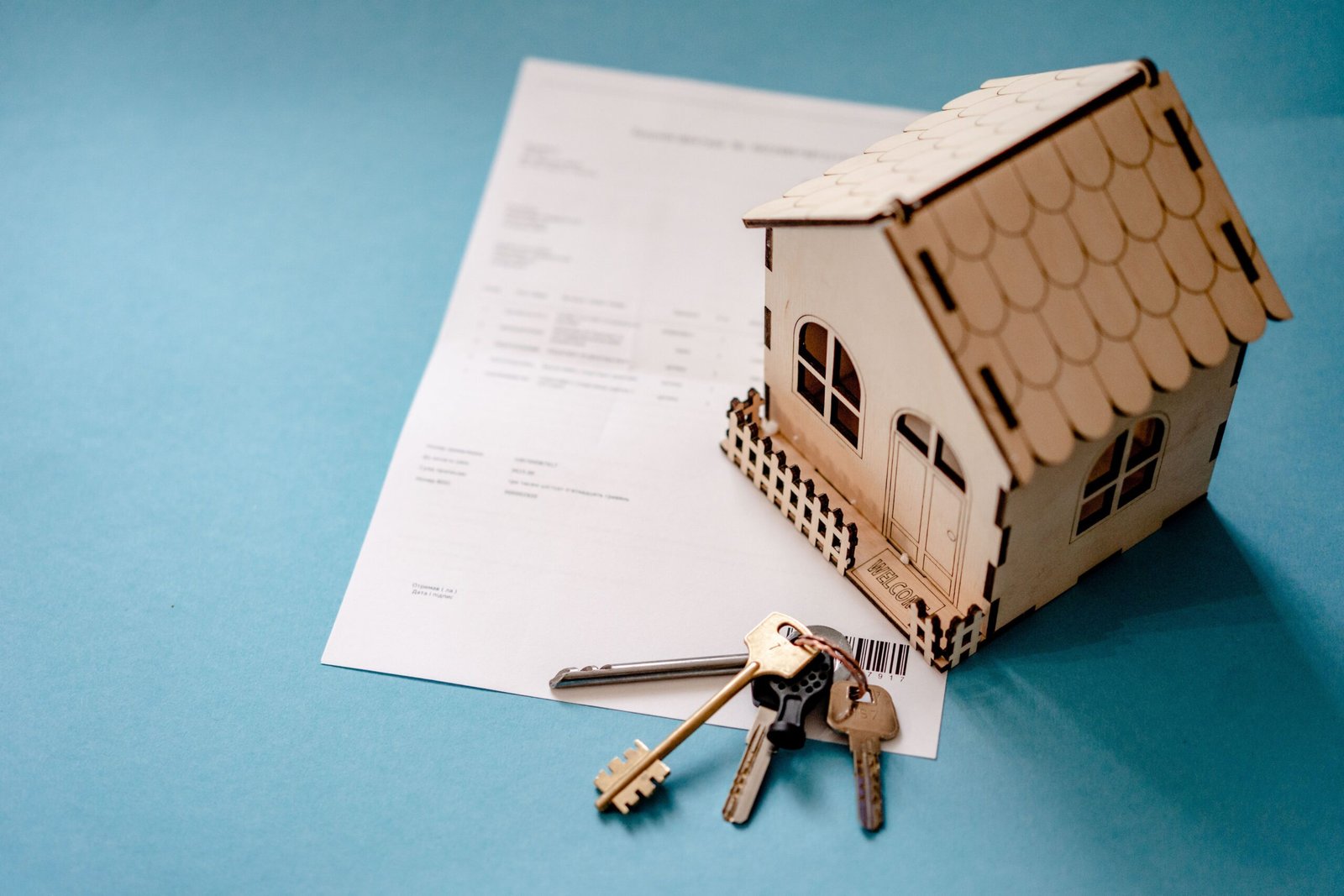
Facing Foreclosure in Cheyenne, WY? Here Are Your Options to Avoid Losing Your Home
If you’re facing foreclosure in Cheyenne, WY, it’s understandable to feel overwhelmed. Falling behind on mortgage payments can create financial pressure, uncertainty, and the fear of losing your home.
But foreclosure is not necessarily your only option.
Depending on your financial situation, mortgage, equity, and where you are in the foreclosure process, you may have several paths to consider. These can include working with your mortgage servicer, requesting a loan modification or repayment plan, seeking foreclosure-prevention assistance, or selling your home before the foreclosure process reaches its final stage.
If selling your home is something you’re considering, RenQuest Properties can help you explore that option and determine whether a direct home sale may fit your situation.
What Does Foreclosure Mean?
Foreclosure is the legal process through which a lender seeks to recover a mortgage debt when a homeowner fails to make required payments. The exact process varies by state.
In Wyoming, foreclosure sales are subject to specific notice and publication requirements. For example, Wyoming law provides requirements for publishing notice of a mortgage foreclosure sale and serving notice on certain parties before the sale.
Because foreclosure involves legal and financial consequences, homeowners should carefully review notices from their mortgage servicer and seek qualified legal or housing counseling when appropriate.
How Does House Foreclosure Work?
The process can vary depending on the mortgage documents and the type of foreclosure involved. Generally, a homeowner first becomes delinquent after missing mortgage payments. If the delinquency is not resolved, the servicer may proceed with foreclosure according to applicable federal and state requirements.
Federal rules generally prevent a mortgage servicer from making the first foreclosure notice or filing until the borrower is more than 120 days delinquent, although individual circumstances and loan types can affect the applicable rules.
Once foreclosure proceedings are underway, deadlines become increasingly important. That’s why waiting until the last minute can make the situation more difficult.
How Do I Avoid Foreclosure?
If you’re asking, “How do I avoid foreclosure?”, the first step is to understand exactly where you stand.
Here are several options worth discussing with your mortgage servicer or a qualified housing counselor.
1. Contact Your Mortgage Servicer
Don’t ignore calls, letters, or notices from your mortgage company.
Contact your servicer and explain why you’re having trouble making your payments. Be prepared to provide information about your income, expenses, assets, and whether your financial difficulty is temporary or long-term.
Your servicer may have loss-mitigation programs that could help you avoid foreclosure.
2. Ask About a Loan Modification
A loan modification changes certain terms of your mortgage. Depending on your circumstances and eligibility, it may reduce your monthly payment or otherwise make the loan more manageable.
A modification isn’t automatically available to every homeowner, so you’ll need to discuss your specific loan with your mortgage servicer.
3. Explore a Repayment Plan
If your financial hardship was temporary, a repayment plan may be another possibility.
Instead of trying to pay the entire amount of missed payments immediately, the servicer may offer an arrangement that allows you to catch up over time.
4. Ask About Forbearance
Forbearance may be considered when a homeowner is experiencing a temporary financial hardship.
It can temporarily reduce or pause mortgage payments, but it does not necessarily erase those payments. Homeowners should understand how deferred payments will be handled before accepting a forbearance arrangement.
5. Talk With a HUD-Approved Housing Counselor
You don’t have to navigate the foreclosure process alone.
HUD-approved housing counselors can help homeowners understand their options and communicate with their mortgage servicer. The CFPB notes that this assistance may be available at little or no cost.
If you’ve already received legal papers or have an upcoming foreclosure sale, consulting a qualified attorney may also be appropriate.
How to Stop Foreclosure on Your House
There isn’t one universal solution for every homeowner.
The best approach depends on questions such as:
- How many mortgage payments have you missed?
- Has your lender started foreclosure proceedings?
- Is there a scheduled foreclosure sale?
- How much do you currently owe?
- What is your home’s approximate market value?
- Do you have equity in the property?
- Can you realistically afford the mortgage going forward?
- Would selling the property resolve the mortgage debt?
Answering these questions can help you determine whether keeping the home or selling it makes more financial sense.
Most importantly, don’t ignore the situation. The CFPB specifically recommends taking action as soon as you know you may have difficulty making your mortgage payments.
Can I Sell My House to Avoid Foreclosure?
In some situations, selling your home before foreclosure may be an option.
If your home is worth more than the amount you owe on your mortgage, a sale may allow you to pay off the mortgage and other selling expenses, with any remaining proceeds going to you. The CFPB identifies selling a home as one potential alternative to foreclosure for homeowners with sufficient equity.
For example, suppose your Cheyenne home could reasonably sell for $350,000 and your mortgage payoff is $250,000. There may be enough equity to cover the mortgage and transaction costs while leaving you with some proceeds.
Your actual numbers will depend on the home’s value, mortgage payoff, liens, closing costs, and other factors.
What If I Owe More Than My House Is Worth?
The situation can be more complicated if your mortgage balance is higher than your home’s market value.
One potential option may be a short sale, where the home is sold for less than the outstanding mortgage balance with the mortgage servicer’s approval.
A short sale has important financial and legal considerations, so homeowners should understand the terms of any proposed arrangement and consider speaking with a qualified housing counselor, attorney, or tax professional.
Selling a House in Pre-Foreclosure in Cheyenne, WY
If you’re in pre-foreclosure, time can be especially important.
Selling before a foreclosure sale may give you more control over the process than simply waiting for the property to proceed through foreclosure.
A homeowner considering a sale can start by:
- Finding out the current mortgage payoff amount.
- Reviewing foreclosure notices and deadlines.
- Estimating the property’s current market value.
- Identifying any additional liens or debts attached to the property.
- Comparing a traditional listing with other selling options.
- Determining whether a sale can realistically resolve the mortgage problem.
The earlier you understand your options, the more informed your decision can be.
What If Your Cheyenne House Needs Repairs?
Financial difficulties and property maintenance problems can sometimes happen at the same time.
If your home needs a new roof, has water damage, requires major updates, or has simply been neglected, you may worry that you have to spend thousands of dollars fixing it before selling.
That isn’t necessarily the case.
Some buyers may purchase properties as-is, meaning the homeowner does not have to complete every repair before selling. The terms, price, and timeline will depend on the property and the buyer.
For a homeowner facing foreclosure, avoiding unnecessary delays can be particularly important.
Should You Sell Your House or Try to Stop Foreclosure?
There is no single answer that works for everyone.
| Option | Potential Benefit | Consideration |
|---|---|---|
| Loan modification | May help you keep the home | Requires servicer approval |
| Repayment plan | May help you catch up on missed payments | Payments may become harder to manage |
| Forbearance | May provide temporary payment relief | Missed payments still need to be addressed |
| Traditional home sale | May allow you to pay off the mortgage | Can take time and involve selling costs |
| Direct home sale | May offer a simpler selling process | Offer may differ from a traditional market sale |
| Short sale | May provide an alternative when the home is worth less than the mortgage | Requires servicer approval |
| Deed-in-lieu | May allow you to voluntarily transfer the property to the servicer | Eligibility and deficiency terms must be understood |
The right choice depends on your individual circumstances. Don’t assume that selling is automatically better than keeping the home—or vice versa.
How RenQuest Properties Can Help Homeowners Facing Foreclosure
If you’re considering selling your Cheyenne home because you’re behind on your mortgage or facing foreclosure, RenQuest Properties can help you explore the selling option.
We can look at the property, understand your situation, and discuss a potential direct sale without requiring you to make the home perfect first.
A direct sale may be worth considering if:
- You need to sell within a shorter timeframe.
- Your house needs significant repairs.
- You don’t want to prepare the property for a traditional listing.
- You have inherited a property you don’t want to keep.
- You’re dealing with an unwanted or vacant house.
- You’re trying to understand whether selling could help resolve a mortgage problem.
A home sale isn’t the right solution for every foreclosure situation. If you are struggling with your mortgage, it’s also important to communicate with your mortgage servicer and consider independent assistance from a HUD-approved housing counselor.
FAQs:
Can I sell my house before foreclosure?
Potentially, yes. If the property can be sold for enough to satisfy the mortgage and selling costs, selling before foreclosure may be an option. If the property is worth less than the mortgage balance, a short sale may need to be considered with the servicer’s approval.
Can I sell my house if I’m behind on mortgage payments?
Being behind on payments does not automatically mean you cannot sell your home. However, your specific foreclosure status, mortgage payoff, liens, and applicable deadlines need to be reviewed before proceeding.
How long does foreclosure take in Wyoming?
There isn’t one universal timeline for every property. Wyoming law contains specific requirements concerning foreclosure notices and sales, while federal mortgage-servicing rules also affect when foreclosure activity may begin.
Can I avoid foreclosure by selling my house?
Selling may be one possible alternative when the property has enough value to resolve the mortgage and transaction costs. The CFPB specifically recognizes selling a home as one potential alternative to foreclosure.
What if my house needs major repairs?
You may still have options. Some buyers purchase homes in as-is condition, so you don’t necessarily need to complete every repair before exploring a sale.
Should I sell my house or modify my mortgage?
That depends on your financial circumstances. If keeping the home is realistic, a loan modification, repayment plan, or another loss-mitigation option may be worth exploring. If the mortgage is no longer affordable, selling may be an alternative worth considering.
Facing Foreclosure in Cheyenne? Don’t Wait to Explore Your Options
If you’re facing foreclosure in Cheyenne, WY, doing nothing can limit the choices available to you.
Start by contacting your mortgage servicer and finding out what loss-mitigation options may be available. Consider speaking with a HUD-approved housing counselor, particularly if you need help understanding the process.
And if you’ve decided that keeping the property isn’t financially realistic, explore whether selling your home could help you move forward.
RenQuest Properties can help you evaluate the possibility of selling your Cheyenne home.
If you’re ready to discuss your property, visit our Sell Your House page to learn more about your options.